

Disinfectant for Water Treatment
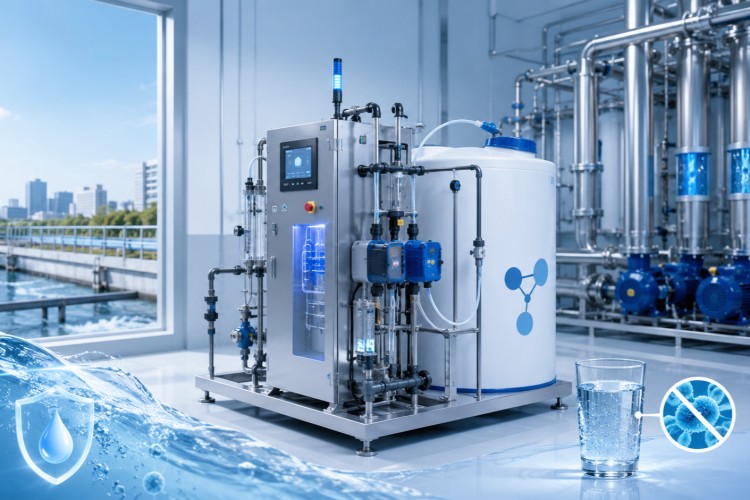
Water looks simple until you run a treatment facility. Then one glass of water becomes a story about chemistry, safety, equipment, timing, and trust. We know that feeling well at Shandong Shine Health, because our work focuses on practical water disinfection solutions that help operators treat water with confidence.
A good Disinfectant for Water Treatment does more than “kill germs.” It protects water supplies, supports water quality, and helps reduce health risks from bacteria, viruses and other microorganisms. More importantly, it helps people drink, cook, wash, and live without worrying about what hides in the pipe.
Why Water Disinfection Still Matters
Clean water does not happen by luck. Every day, water utilities and treatment facilities deal with raw water changes, pipeline biofilm, storage tanks, and seasonal temperature swings. One rainy week can change turbidity, odor, and microbial load faster than anyone wants.
That is why water disinfection remains a core step in modern water treatment systems. Operators use it to protect communities, factories, farms, hotels, hospitals, and emergency sites. When the system works well, nobody notices it. Honestly, that is the highest compliment in water treatment.
Water disinfection and bacteria viruses
Microorganisms do not send calendar invites before they arrive. They enter water through surface runoff, damaged pipes, poor storage, or untreated sources. Disinfection helps control bacteria and viruses before they create unsafe conditions.
Chlorine-based disinfectants remain common because they provide residual protection in distribution pipes. The CDC notes that chlorine or chloramine levels up to 4 mg/L, or 4 parts per million ppm, fall within safe drinking water limits in the United States.
Main Types of Disinfectants for Water Treatment
Different sites need different tools. Some plants need strong residual protection. Others want lower chemical storage risk. A remote village, a food plant, and a municipal utility do not share the same headache.
Common disinfectants include sodium hypochlorite solution, calcium hypochlorite, chlorine gas, chlorine dioxide, ozone, and UV light. Each option brings strengths, costs, limits, and safety concerns. The smart move starts with matching the disinfectant to the water, not the other way around.
Sodium hypochlorite solution
Sodium hypochlorite solution works well for many water and wastewater applications. Operators like it because they can dose it with pumps, monitor residual chlorine, and adjust ppm levels quickly. It also avoids some major handling risks linked to pressurized chlorine gas.
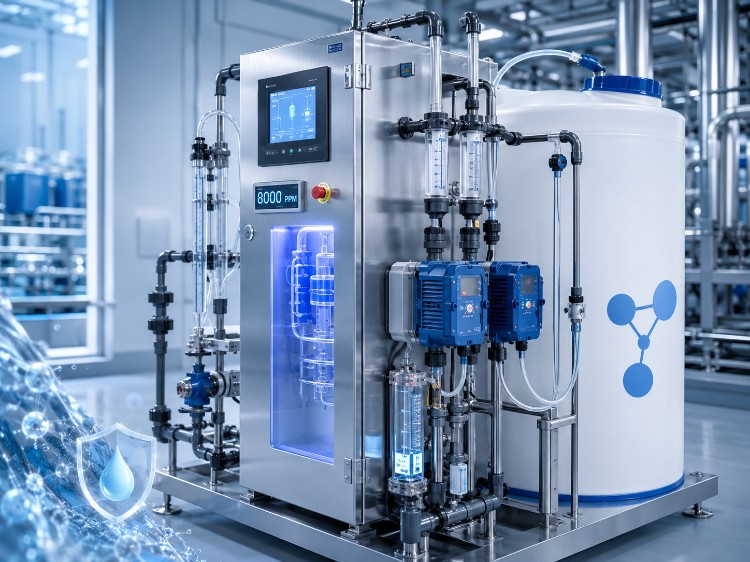
Our On-Site Low-Strength Sodium Hypochlorite Generator produces low-strength disinfectant near the point of use. This approach helps reduce chemical transport, storage concerns, and concentration-related risk. It also gives operators a fresh solution when they need it.
Calcium hypochlorite
Calcium hypochlorite comes as granules or tablets. Many emergency teams, pools, and small systems use it because it stores well and offers high available chlorine. However, operators must handle it carefully and keep it away from moisture, acids, and incompatible materials.
It can suit temporary or backup disinfection plans. Still, many continuous systems prefer liquid dosing because it offers smoother automation. Nobody enjoys chasing powder spills during a busy Monday shift.
Chlorine dioxide and UV light
Chlorine dioxide can treat taste, odor, iron, manganese, and microbial risks in some systems. The CDC reports that the U.S. EPA sets a drinking water maximum of 0.8 mg/L for chlorine dioxide and 1.0 mg/L for chlorite ion.
UV light gives chemical-free inactivation at the reactor point. However, it does not provide residual protection in pipes. For this reason, many plants pair UV with a residual disinfectant for safer downstream control.
Why On-Site Generation Makes Sense
Chemical logistics can turn simple disinfection into a stressful routine. Operators may face delivery delays, storage limits, aging chemicals, and staff safety issues. On-site generation offers a practical way to reduce these problems.
The On-Site Low-Strength Sodium Hypochlorite Generator uses salt, water, and electricity to create disinfectant on demand. Many systems target low-strength output, such as 8000 PPM, for safer handling and reliable dosing. That level supports daily disinfection without bringing high-concentration chemicals through the gate.
8000 PPM low-strength output
An 8000 PPM solution means the available chlorine concentration reaches about 0.8%. In simple terms, ppm means milligrams per liter in water-based solutions. So, 8000 ppm ≈ 8000 mg/L ≈ 0.8% available chlorine.
This concentration gives operators useful strength without the bite of stronger commercial chemicals. It also helps dosing pumps work with manageable flow rates. In our view, that balance matters more than flashy numbers on a brochure.
Safer storage and handling
Low-strength generation can reduce hazards linked to transport and bulk storage. It may also help sites avoid large inventories of stronger oxidizers. That does not remove all safety duties, but it makes daily operation feel more controlled.
Operators still need ventilation, PPE, labels, and good training. They also need simple maintenance routines. A machine should support the team, not become the team’s grumpy chemistry professor.
Calculating PPM Without Panic
Many buyers ask about calculating ppm because dosing sounds scary at first. Thankfully, the basic idea stays simple. You match the required chlorine dose with water flow, solution strength, and contact time.
Here is a simple working idea:
Target dose: 1–5 ppm, based on raw water quality
Solution strength: 8000 ppm sodium hypochlorite solution
Water flow: m³/h or L/min
Contact time: often 30 minutes or site-specific
Monitoring: free chlorine, pH, ORP, turbidity, and microbial tests
Parts per million ppm basics
Parts per million ppm tells us how much active chemical exists in a million parts of water. For water, 1 ppm ≈ 1 mg/L. This makes field math easier and helps teams compare test results.
For example, if a facility needs 2 ppm free chlorine in treated water, the system must dose enough disinfectant to meet that target after demand. Organic matter, iron, ammonia, and turbidity can consume chlorine. Therefore, real plants always verify with testing.
The WHO notes that effective chlorination often needs ≥0.5 mg/L free chlorine after 30 minutes at a pH below 8.0, with residual maintained through distribution.
Drinking Water, Wastewater, and Utility Use
Disinfection does not stop at one industry. Municipal drinking water, rural supply stations, hospitals, schools, factories, and water and wastewater plants all need reliable microbial control. Each case has different goals and different risk levels.
For safe drinking water, operators focus on pathogen control, residual chlorine, taste, odor, and regulatory compliance. For wastewater, teams may target discharge standards, reuse safety, or odor control. Either way, the system needs stable dosing and clear monitoring.
Disinfecting drinking water safely
When disinfecting drinking water, teams must balance safety and taste. Too little disinfectant invites microbial risk. Too much disinfectant can create odor complaints and regulatory problems.
Emergency guidance from the CDC and EPA also shows why sodium hypochlorite matters. The CDC advises using bleach with 5% to 9% sodium hypochlorite for emergency water safety, with different doses for clear or cloudy water. The EPA also recommends regular, unscented household bleach when boiling is not possible, while avoiding scented or cleaner-added products.
Treat water in facilities and utilities.
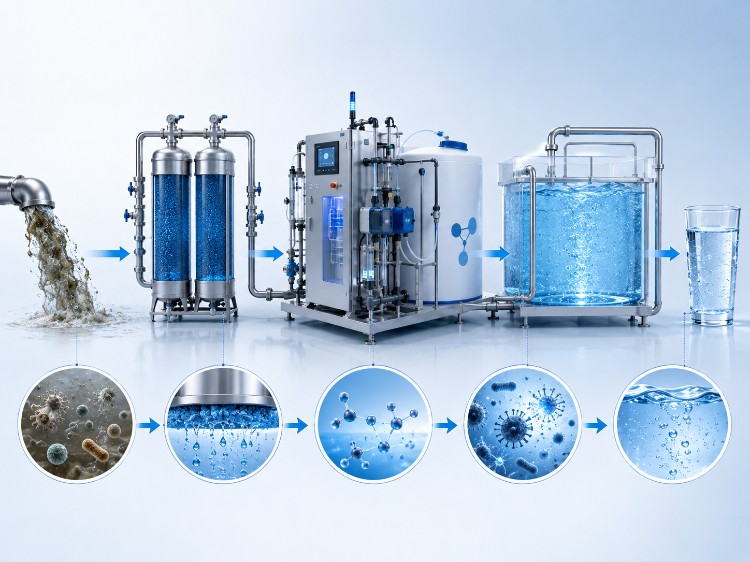
To treat water well, facilities need more than a dosing pump. They need pretreatment, filtration, contact tanks, sensors, alarms, and trained operators. The disinfectant performs best when the whole process supports it.
A practical setup may include:
Sand filtration or cartridge filtration before dosing
Automatic dosing based on flow signal
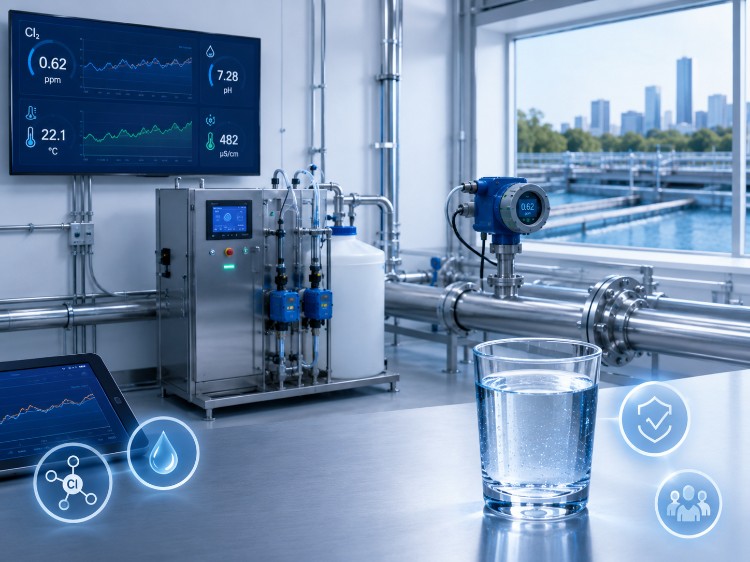
Free chlorine analyzer at the outlet
pH monitoring for disinfection efficiency
Storage tank mixing to avoid dead zones
Data logging for audits and troubleshooting
This system-level view helps operators move from “adding chemical” to managing a stable protection barrier.
Chlorine Gas, Bleach, and Health Risks
Some plants still use chlorine gas because it offers strong dosing efficiency. Yet it also brings serious safety concerns. Leaks can create immediate danger for staff and nearby communities.
Household bleach gives people a familiar example of sodium hypochlorite. However, household products vary in strength and additives. Water treatment facilities should use proper equipment, verified concentration, and controlled dosing instead of casual guesswork.
Reducing health risks
The biggest goal stays simple: reduce health risks from unsafe water. Disinfection helps prevent waterborne disease when operators apply it correctly. It also protects public confidence, which can disappear faster than free donuts in a control room.
Still, operators must manage byproducts, storage safety, corrosion, and overdosing. The EPA defines maximum residual disinfectant level goals and regulates disinfectants because microbial control and chemical safety both matter. A good design respects both sides.
How to Choose the Right System
A buyer should not choose a disinfectant only by price per liter. That can hide labor costs, safety costs, downtime, and waste. Total operating value tells a more honest story.
Before selecting a system, we suggest checking:
Raw water source: surface water, groundwater, recycled water
Turbidity: NTU level before disinfection
pH range: chlorine works better at lower pH
Required residual: mg/L or ppm target
Flow rate: m³/h, L/min, or GPM
Contact time: CT requirement and tank volume
Power supply: V/Hz and backup needs
Salt quality: purity and storage conditions
Automation: PLC, alarms, remote monitoring
Maintenance: electrode life, cleaning, spare parts
Matching water treatment systems
Good water treatment systems combine chemistry and control. If water quality changes often, automation becomes more valuable. If staff availability stays low, simple operation becomes essential.
Shandong Shine Health designs equipment for real operating sites, not perfect laboratory stories. Our On-Site Low-Strength Sodium Hypochlorite Generator supports stable disinfectant production for drinking water, industrial water, and utility needs. We care about clean design, easy checks, and practical maintenance.
Why Shandong Shine Health Fits This Market
We believe disinfection equipment should feel dependable. It should start, run, dose, and report without drama. Water operators already have enough drama from pumps, weather, and mysterious pipe noises.
Our solutions focus on low-strength generation, such as 8000 PPM, to support safe handling and daily use. We also support project matching, system layout, and dosing logic. The goal is not to sell a machine and wave goodbye.
Instead, we help clients think through water flow, ppm targets, tank volume, power, salt use, and maintenance. That makes the project easier to install and easier to explain. Better still, it helps users protect every drop with more confidence.
Final Thoughts: Safer Water Starts On Site
Disinfection may look like chemistry, but it feels like responsibility. Every ppm matters because people trust the water that reaches them. We take that trust seriously.
A smart Disinfectant for Water Treatment should protect water, simplify work, and reduce avoidable risk. For many facilities, fresh low-strength sodium hypochlorite offers a strong balance of safety, cost, and control. When water needs protection, on-site generation brings the solution closer to the source.