

Does Hypochlorous Acid Kill Candida?
Candida is a common type of yeast. It can live on the skin and inside the body without causing problems. However, too much growth can lead to infection. Candida albicans causes many common Candida infections.
This raises an important question: Does Hypochlorous Acid Kill Candida? The short answer is yes, under the right conditions. Properly made hypochlorous acid can show strong antimicrobial activity against Candida. Still, concentration, pH, contact time, and product quality all matter.
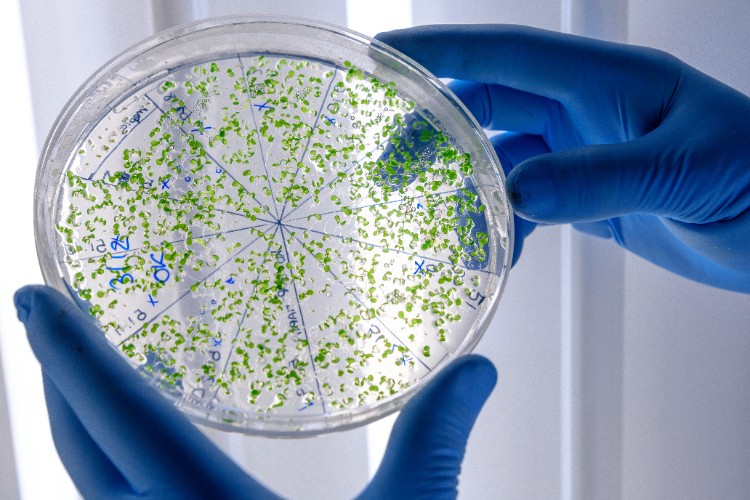
What Is Candida?
Candida albicans and fungal cells
Candida belongs to the yeast family. Candida albicans is the most common species linked to human infections. It can cause oral thrush, vaginal yeast infections, and other health problems.
Candida can also form tough structures called biofilms. These structures can make microorganisms harder to control. For this reason, simple cleaning may not always give good results.
We should also make one point clear. Surface disinfection does not equal medical treatment. A disinfectant can control microbes on approved surfaces. It cannot replace medicine for a Candida infection.
How Hypochlorous Acid Works
The power of hypochlorous acid HOCl
Hypochlorous acid hocl is a weak acid from the chlorine family. It forms when chlorine reacts with water. Its antimicrobial action comes mainly from oxidation.
HOCl can damage proteins, enzymes, membranes, and other parts of microbial cells. These effects of hypochlorous acid can stop microorganisms from working normally.
Research and regulatory records support its antimicrobial activity. Properly formulated HOCl can help kill bacteria and control some viruses and fungi. However, each product needs testing under specific conditions.
Can HOCl affect fungal cells?
Yes. HOCl can damage fungal cells, including Candida species, when users apply suitable concentrations for enough time.
The US EPA lists registered antimicrobial products that contain hypochlorous acid. Some products carry claims against Candida auris. Other registered HOCl products list Candida albicans as a target organism.
This evidence gives us a useful starting point. However, we should not assume that every HOCl solution works the same way. Different products can have different pH values, chlorine levels, and contact times.
Does Hypochlorous Acid Kill Candida?
What the evidence shows
So, Does Hypochlorous Acid Kill Candida? Yes, properly formulated HOCl can inactivate Candida under suitable disinfection conditions.
Several factors affect the result:
Available chlorine concentration
pH
Contact time
Organic matter
Surface type
Water quality
Storage conditions
Product formulation
We often focus on ppm because it provides an easy number to compare. Yet ppm alone does not tell the full story.
For example, HOCl usually works best within a suitable pH range. Many mildly acidic HOCl solutions use a pH around 5.0–6.5. The balance between HOCl and other chlorine species changes with pH.
That is why professional users should check the complete product specification.
HOCl versus hydrogen peroxide
People often compare HOCl with hydrogen peroxide. Both chemicals have strong antimicrobial properties. However, they work in different ways and have different use conditions.
Hydrogen peroxide creates oxidative stress as it breaks down. HOCl also uses oxidation to damage microorganisms. The correct choice depends on the surface, target organism, concentration, and required contact time.
We do not recommend saying that one chemical always works better. Good disinfection depends on the complete process.
Using Hypochlorous Acid Spray
Where HOCl spray can help
A hypochlorous acid spray can support surface disinfection when the product label allows that use. It can suit many hard, non-porous surfaces and certain types of equipment.
A simple process works best:
Remove visible dirt.
Apply the approved disinfectant.
Wet the surface completely.
Keep it wet for the required contact time.
Wipe or rinse when the label requires it.
Allow the surface to dry.
Contact time deserves special attention. If we spray and wipe immediately, the chemical may not have enough time to work.
Some EPA-listed products specify contact times of several minutes. Therefore, always follow the exact instructions for the product you use.
Why cleaning comes first
Organic material can reduce disinfectant performance. Food residue, dirt, grease, and other material can interfere with antimicrobial action.
For this reason, cleaning should come before disinfection when the surface has visible contamination.
We like to keep the rule simple: clean first, disinfect second. It sounds basic, but good hygiene often depends on these simple steps.
Using an HOCl Generator
Fresh HOCl production
An HOCl Generator can produce hypochlorous acid on-site. This approach allows users to make fresh solution when needed.
Our industry sees strong value in this model. Facilities can reduce the need to store large volumes of ready-made disinfectant. They can also adjust production based on actual demand.
Important operating parameters may include:
Parameter | Typical consideration |
pH | About 5.0–6.5 |
Chlorine level | Application dependent |
Output | L/h or L/day |
Contact time | Product dependent |
Water quality | Important |
Storage | Protect from heat and light |
The exact settings should always match the intended application. More chlorine does not automatically mean better results.
Why ppm is not everything
Many users focus only on ppm. We understand why. It gives us a simple number. However, effective disinfection depends on more than concentration.
pH, contact time, organic load, temperature, and surface conditions also matter. A well-designed system should control these factors as much as possible.
That is one reason we value controlled on-site production. It gives users better control over the final solution.
HOCl and Human Health
Disinfection is not medical treatment.
This point is extremely important. HOCl can disinfect suitable surfaces, but that does not mean people should use surface disinfectants to treat Candida infections.
The immune system also affects how the body handles Candida. People with weakened immune systems may face a higher risk of serious infection.
If someone has symptoms of candidiasis, medical advice is the right choice. Doctors can select the proper antifungal treatment based on the type and severity of infection.
We should never replace medical treatment with a disinfectant. Chemistry has its limits, and knowing those limits matters.
Be careful with personal use.
Some HOCl products may have specific skin or personal-care applications. Others are designed only for surfaces.
Never assume that one product works safely for every application. Concentration, purity, pH, packaging, and testing can differ.
Before using an HOCl product, check:
The product label
Intended application
Recommended concentration
Contact time
Regulatory requirements
This simple check can prevent many problems.
Final Answer
Can HOCl kill Candida?
Yes. Properly formulated hypochlorous acid can show activity against Candida, including Candida albicans, under suitable disinfection conditions.
The key word is properly. Not every HOCl solution has the same performance. Concentration, pH, contact time, and product quality all affect results.
An HOCl Generator can help facilities produce fresh solution with controlled parameters. This can make on-site disinfection more practical for many applications.
At the same time, we should keep expectations realistic. HOCl can help with environmental disinfection, but it does not replace medical treatment for Candida infections.
Our advice is simple: use the right concentration, follow the correct contact time, and follow the product label. Good disinfection is not about using more chemicals. It is about using the right process.