

HOCl Generator Setup: 5 Key Needs
When we install an electrolytic disinfection system, the machine itself is only one part of the job. Water quality, salt, electrical supply, drainage, and ventilation all affect stable operation. A good installation also makes daily cleaning and regular maintenance much easier.
Many buyers search for a hypochlorous acid machine, hypochlorous acid maker, or hypochlorous acid generator for a wide range of applications. However, the installation needs can differ greatly between a small unit and a commercial system. In our experience, planning the room first saves time, money, and plenty of frustration later.
This guide explains the main requirements in simple terms. It also shows where natural ventilation works and where mechanical systems make more sense.
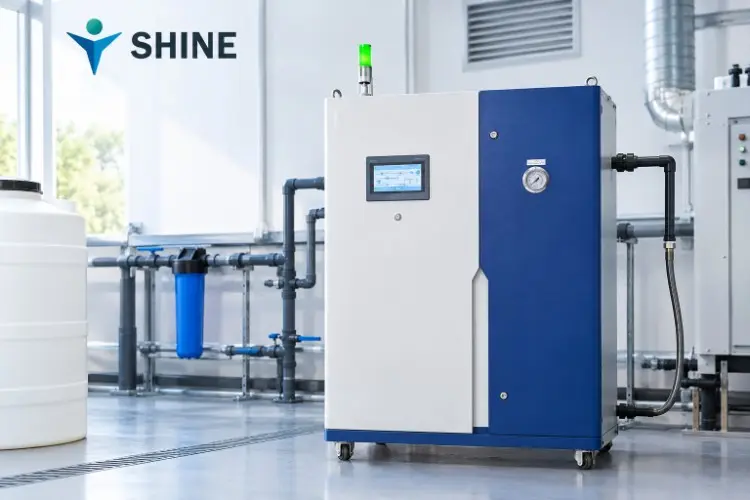
Start With the Installation Site
Before connecting anything, we inspect the installation area. A clean, dry, level location gives the equipment a much better working environment. We also leave enough space around the unit for inspection, cleaning, and service access.
The room should protect the generator from direct rain, standing water, excessive heat, and strong chemical exposure. Outdoor installation may work for some commercial systems, but the manufacturer must approve it first.
Choose a Dry and Accessible Area
We normally recommend a firm floor or suitable wall structure. The installation area should also have enough clearance for tubing, cables, water connections, and ventilation.
Keep these points in mind:
Avoid direct sunlight.
Avoid standing water.
Keep the area clean.
Leave service space around the machine.
Protect electrical parts from splashing.
Keep the unit away from incompatible chemicals.
Avoid locations with extreme temperature changes.
Temperature matters too. Very warm air can increase the load on cooling components. Very cold conditions can create water and pipe problems.
The goal is simple: keep the machine comfortable. Machines have feelings too, at least when the service engineer gets the phone call.
Water Quality and Supply
Water provides the main raw material for the process. Therefore, stable water quality matters. Our equipment specifications should always define the required inlet conditions for each model.
The incoming water should normally remain free from excessive suspended solids, oil, and other contaminants. If the source water has high hardness or unusual chemistry, pretreatment may help protect the system.
Check Flow, Pressure, and Water Quality
Before installation, we recommend checking:
Inlet pressure: according to model specification
Water temperature: within the specified operating range
Flow: sufficient for the generator
Turbidity: low enough for stable operation
Hardness: suitable for the electrolytic cell
Connection size: matched to the machine
The exact requirements depend on the cell design. A commercial unit may need a more controlled water supply than a small countertop machine.
We also recommend placing a shut-off valve near the inlet. This small detail makes future maintenance much easier.
The chemistry matters as well. Hypochlorous acid HOCl forms as part of electrochemical processes involving water and chloride. The final solution characteristics depend on cell design, salt concentration, current, pH, and other operating factors.
Salt Selection and Storage
Salt looks simple, but it can create problems when buyers choose the wrong grade. Many systems use table salt or another specified sodium chloride source. However, we always recommend following the generator manufacturer's salt specification.
Salt quality can affect electrolysis performance. Impurities may increase deposits or influence the chemistry inside the cell. EPA guidance on electrolytic chlorine generation also notes that salt quality can affect generator performance.
Use the Correct Salt Grade
Before adding salt, check:
Sodium chloride purity
Additives or anti-caking agents
Recommended particle size
Required salt concentration
Storage conditions
Manufacturer instructions
Store salt in a dry area. Keep bags away from floor water and direct moisture.
Do not assume that the cheapest salt gives the lowest operating cost. Poor salt quality can increase cleaning needs and shorten component life.
For that reason, we prefer to calculate total operating cost rather than only salt price. A small saving per bag means little if maintenance costs rise later.
Electrical Power and Energy Efficiency
Electricity drives the electrochemical cell, pumps, controls, and other components. The power requirement depends on the generator capacity and design.
For a proper installation, we check the rated voltage, frequency, current, grounding, and protection requirements before commissioning.
Match Power to the Generator
A basic electrical checklist includes:
Rated voltage: according to nameplate
Frequency: 50/60 Hz as specified
Dedicated circuit where required
Correct breaker size
Reliable grounding
Suitable cable size
Moisture protection
Emergency shut-off where required
Never select the power supply only from the machine's physical size. Two generators with similar dimensions may have very different electrical loads.
Energy efficiency also matters over the equipment's working life. A system that uses electricity efficiently can reduce operating costs. We therefore consider cell efficiency, pump demand, operating hours, and production capacity together.
The same idea applies to heating and cooling. Do not install the generator beside a hot exhaust outlet or strong heat source. Stable room conditions can support reliable operation.
Drainage and Water Management
Water eventually needs somewhere to go. This sounds obvious, yet poor drainage causes many avoidable installation problems.
We recommend installing a clear drainage path for process water, cleaning water, overflow, or other approved discharge. The drain should not create backflow into the generator.
Prevent Standing Water
A practical drainage plan should include:
Floor drain or suitable discharge point
Correct pipe slope
No unnecessary low points
Backflow protection where needed
Easy access for cleaning
Chemical-resistant materials where applicable
Never connect discharge blindly to a drain system. Local plumbing rules may control what the installation can release.
We also recommend keeping electrical equipment above areas where water may collect. A few extra centimeters can make a big difference during a leak.
Good drainage supports safety, cleanliness, and easier regular maintenance. It also reduces the chance that moisture will damage electrical parts.
Ventilation and Indoor Air Quality
Ventilation deserves special attention. Electrolytic systems can produce gases as part of their operating chemistry. EPA technical guidance on salt-brine electrolysis notes that hydrogen can form during electrolysis and requires ventilation to prevent accumulation.
For that reason, we never treat ventilation as decoration. It forms part of the installation design.
Good indoor air quality also depends on adequate fresh air movement. EPA guidance explains that natural ventilation can come from doors and windows, while mechanical ventilation uses fans and ductwork.
Natural Ventilation or an Exhaust Fan?
Small installations may use natural ventilation when the room design and local requirements allow it. Opening windows can bring in fresh air, but natural airflow can change with wind, temperature, and building layout.
A commercial installation may need an exhaust fan or other mechanical ventilation systems. The exhaust path should discharge to a suitable outdoor location and follow applicable building and safety codes.
We suggest checking:
Room volume
Generator capacity
Operating hours
Gas generation characteristics
Air inlet location
Exhaust location
Outdoor air quality
Fan capacity
Local safety requirements
Do not simply point a fan toward another indoor room. The system needs to move unwanted gases and warm air safely outside.
Also consider the humidity level. High humidity can increase corrosion and affect electrical equipment. EPA guidance generally recommends controlling indoor humidity and keeping spaces dry.
Temperature, Fresh Air, and Energy Use
Ventilation does not mean running a giant fan all day. That approach may solve one problem while creating another.
For many facilities, we aim to balance ventilation, temperature, humidity, and energy efficiency. If a room becomes too warm, the generator may operate in a less comfortable environment. If ventilation brings in very hot or humid outdoor air, cooling demand can also increase.
Balance Airflow With Heating and Cooling
A practical room design should consider:
Ambient temperature
Relative humidity
Fresh-air intake
Exhaust-air path
Heating load
Cooling load
Fan energy use
Equipment heat output
EPA guidance also notes that outdoor ventilation can affect indoor temperature and humidity. It recommends considering outdoor conditions when increasing ventilation.
In warm climates, this point becomes especially important. Singapore, Southeast Asia, and other tropical regions may have high humidity throughout much of the year.
So, yes, fresh air is useful. But fresh air should enter through a planned system, not simply through whatever window happens to be open.
Commissioning and Routine Maintenance
Installation does not finish when the power turns on. We treat commissioning as the final installation stage.
The technician should inspect water flow, electrical connections, salt supply, drainage, ventilation, controls, and safety functions. The operator should also understand the correct startup and shutdown sequence.
Use a Simple Maintenance Checklist
We recommend checking the following at regular intervals:
Water inlet condition
Salt supply
Electrolytic cell condition
Tubing and fittings
Drainage
Electrical connections
Ventilation fan
Filters, if installed
Sensors and alarms
Output concentration
General cleanliness
The correct shelf life of an HOCl solution depends on its formulation, concentration, storage conditions, container, light exposure, and other factors. Therefore, we recommend following the generator manufacturer's storage guidance rather than using one universal number.
EPA also notes that hypochlorous acid generators fall under different regulatory situations depending on their claims and how the generator or solution gets distributed.
For this reason, installation and application instructions should match the product label and local rules.
A Practical Installation Checklist
Before we commission a system, we like to review the entire setup once more. This simple check can catch small problems before they become expensive problems.
Five Things to Confirm
1. Water
Correct pressure
Correct flow
Suitable quality
Easy shut-off
2. Salt
Correct grade
Dry storage
Correct dosing method
3. Power
Correct voltage
Correct frequency
Proper grounding
Suitable protection
4. Drainage
Clear discharge route
No standing water
Backflow control where needed
5. Ventilation
Adequate fresh air
Safe exhaust route
Suitable natural or mechanical ventilation
No gas accumulation points
This checklist works for many installation projects, from compact systems to larger commercial equipment. However, the final design should always follow the generator manual and local electrical, plumbing, fire, and building requirements.
Final Thoughts
A reliable installation starts long before the first batch of HOCl leaves the machine. Water, salt, electricity, drainage, ventilation, temperature, and maintenance all work together.
When buyers compare the best hypochlorous acid generator or best hypochlorous acid machine, they often focus on output and price. We believe installation requirements deserve equal attention. A well-designed installation can support stable operation, easier service, better environmental impact, and lower long-term operating costs.
For larger systems, we recommend professional installation and a site review before delivery. For smaller hypochlorous acid generator for home use units, users should still follow the manufacturer's electrical, water, ventilation, and operating instructions.
Finally, remember one simple rule: do not mix cleaning chemicals unless the product instructions specifically allow it. EPA guidance warns that incompatible mixtures can create harmful vapors.
A good installation should feel almost boring. Everything connects correctly, the room stays dry, air moves where it should, and the machine quietly does its job. In engineering, boring is often a compliment.