

What Chlorine Does in Water
Clean water is important for every home and business. Before water reaches our taps, it must go through water treatment. One of the best ways to keep water safe is chlorine.
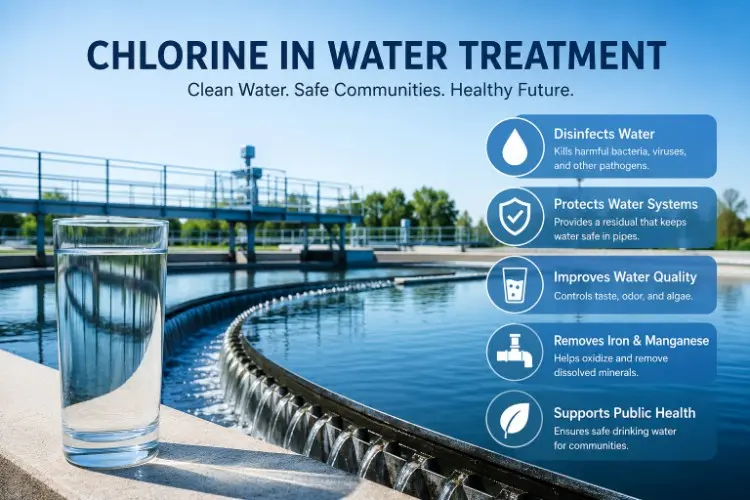
Many people ask, What Does Chlorine Do In Water Treatment? The answer is simple. Chlorine kills harmful germs and helps keep drinking water safe. As a manufacturer of Sodium Hypochlorite Generator systems, we see its value every day.
Why Chlorine Is Used
Every water source is different. Rivers, lakes, and groundwater may contain bacteria, viruses, algae, or dirt.
The main goals of water treatment are to:
Kill harmful microorganisms
Improve water quality
Protect public health
Keep the water distribution system clean
Chlorine remains one of the most trusted effective disinfectants because it works fast and continues protecting water after treatment.
Free Chlorine Keeps Working
After disinfection, some free chlorine stays in the water.
This small amount keeps killing germs while water moves through pipes and storage tanks. It helps protect the entire water distribution system until the water reaches customers.
How Chlorine Disinfects Water
When sodium hypochlorite enters water, it forms hypochlorous acid (HOCl). This compound attacks bacteria and viruses.
It damages their cells and stops them from growing. Most germs die within a short time.
The time the water stays in contact with chlorine also matters. More contact time usually means better water disinfection.
pH Levels Affect Results
pH levels change how well chlorine works.
Chlorine works best when the pH stays between 6.5 and 7.5.
If the pH becomes too high, chlorine loses some of its disinfecting power.
Choosing the Right Amount of Chlorine
The amount of chlorine depends on the water.
Operators look at several factors:
Water temperature
Organic matter
Turbidity
Contact time
Target free chlorine
Too little chlorine cannot kill enough germs.
Too much chlorine may affect taste and increase costs.
Good testing helps operators find the right balance.
Why Sodium Hypochlorite Is Popular
Many plants use sodium hypochlorite because it is safe, reliable, and easy to use.
Instead of buying large amounts of bleach, many facilities now install a Sodium Hypochlorite Generator.
These systems produce fresh disinfectant on-site using:
Salt (NaCl)
Water
Electricity
Fresh sodium hypochlorite stays stronger than stored bleach. It also reduces transport and storage costs.
Main Benefits
We believe on-site generation offers many advantages.
Fresh disinfectant every day
Lower operating costs
Better safety
Easy automatic control
Stable water treatment
These benefits make the system a good choice for many water plants.
More Than Killing Germs
Chlorine does more than disinfect water.
Removing Iron and Manganese
Some groundwater contains iron and manganese.
These minerals can stain sinks and clothes. They may also leave a metallic taste.
Chlorine changes iron and manganese into solid particles. Filters can then remove them.
Better Taste and Smell
Chlorine also helps reduce bad odors caused by algae and natural organic matter.
Clean water should taste fresh, not like a pond after summer rain.
Chlorine in Wastewater Treatment
Chlorine also plays an important role in wastewater treatment.
Before treated water returns to rivers or lakes, chlorine removes harmful microorganisms.
This helps protect:
Fish
Wildlife
Communities
Water supplies
Some plants remove extra chlorine before releasing the water to protect aquatic life.
Best Practices
Good treatment depends on regular testing.
Operators should monitor:
Free chlorine
pH
Water temperature
Turbidity
Flow rate
Fresh sodium hypochlorite also improves performance. That is why many facilities choose on-site generation.
Conclusion
So, What Does Chlorine Do In Water Treatment?
It keeps drinking water safe. It improves water quality, removes harmful germs, helps remove iron and manganese, and protects the water distribution system.
At Shandong Shine Health, we believe reliable equipment creates reliable results. Our Sodium Hypochlorite Generator systems help customers treat water safely, efficiently, and at a lower cost.