

Disinfecting Wipes Safe For Food Surfaces
Food safety starts with clean surfaces. We touch kitchen counters, cutting boards, and food equipment every day. However, many people still wonder whether disinfecting wipes are safe around food.
At Shandong Shine Health, we work with disinfection systems every day. We have seen how different disinfectants perform in real situations. Some products clean well but leave residues. Others work quickly but create unwanted odors.
Today, more people want Disinfecting Wipes Safe For Food Surfaces. They want products that kill germs and still protect people, food, and the environment.
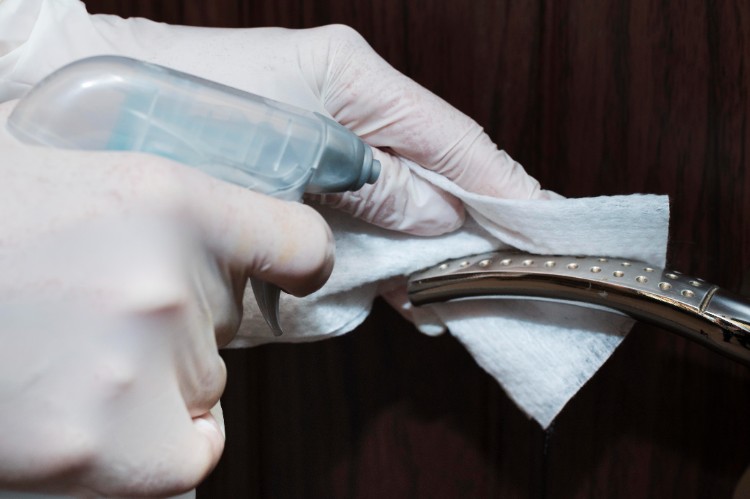
Why Food Surface Safety Matters
Food preparation areas collect many kinds of contamination. Raw meat, vegetables, hands, and equipment all bring microbes.
Common risks include:
Bacteria
Viruses
Mold
Food residue
Oil and grease
Many chemical cleaners leave behind residues. Some contain strong fragrances or harsh ingredients. These chemicals may create additional health risks when people use them incorrectly.
We often remind our customers that a clean-looking surface may still contain germs. On the other hand, a strong chemical smell does not always mean better disinfection.
The Hidden Problem With Chemical Residues
Some traditional wipes contain quaternary compounds or bleach. Others contain ingredients that require rinsing.
Residues may transfer to:
Cutting boards
Food containers
Kitchen tables
Processing equipment
For this reason, many food facilities now seek safer options.
How Hypochlorous Acid HOCl Works
Hypochlorous acid (HOCl) forms naturally inside our white blood cells. Our bodies use it to fight harmful microorganisms.
Modern HOCl Generator systems can produce HOCl on-site using salt, water, and electricity.
The result offers several advantages:
Fast action
Low odor
Minimal residue
Easy application
Food contact compatibility
We often describe HOCl as a "smart disinfectant." It attacks germs while remaining gentle on surfaces.
HOCl Concentrations and Practical Use
Different applications need different concentrations.
ApplicationRecommended LevelLight cleaning20 ppmFood contact surfaces50-80 PPMHeavy contamination100 ppmWater sanitation20 ppm–50 ppm
A 20 ppm solution may work well for light rinsing and fresh produce washing.
Many kitchens use 50-80 PPM for counters and equipment.
A 100 ppm solution provides stronger disinfection when contamination increases.
Disinfecting Wipes Safe For Food Surfaces
Consumers now expect safer products. Restaurants, food factories, and households share the same goal.
Effective wipes should:
Kill germs quickly.
Leave little residue.
Avoid strong odors.
Require minimal rinsing.
Protect food preparation areas.
We have tested many disinfectants during equipment evaluations. HOCl-based wipes often produce excellent results.
The biggest surprise? They do not smell like a swimming pool.
That makes many workers happy. Nobody enjoys making sandwiches while smelling like a chemistry lab.
What We Look For During Testing
When we tested the water and surface conditions, we evaluated:
Contact time
Residual chlorine
Surface compatibility
Odor level
User comfort
Good disinfection requires both science and practical use.
Water Quality Also Affects Surface Cleaning
Many people ignore water quality. However, water greatly affects cleaning performance.
Poor water may contain:
Minerals
Organic matter
Bacteria
Nitrogen compounds
In some situations, ammonia and nitrites can appear in water supplies.
These compounds reduce disinfectant performance. They also create challenges during water treatment processes.
Lessons From Aquarium Water
People may wonder why aquarium water matters.
Aquariums provide a simple example. Fish release waste every day. This fish waste breaks down and produces ammonia.
If owners ignore maintenance, ammonia and nitrites increase. Water quality drops quickly.
People frequently tested the water to monitor conditions. They remove waste and maintain clean water.
Food facilities follow a similar principle. Clean water supports safe surfaces.
Using HOCl Generator Technology
A modern HOCl Generator creates fresh disinfectant on-site.
The process uses:
Water
Salt
Electricity
The generator produces hypochlorous acid that operators can use immediately.
Benefits include:
Reduced chemical storage.
Lower transportation costs.
Fresh solution production.
Adjustable concentration.
Better sustainability.
We often see customers choose concentrations between 50-80 PPM for daily sanitation.
Recommended Concentration Guide
SituationConcentrationFresh produce20 ppmKitchen surfaces50-80 PPMEquipment sanitation50-80 PPMHeavy cleaning100 ppmWater applications20 ppm
Using the proper concentration improves efficiency and reduces waste.
Avoiding Health Risks During Cleaning
Every disinfectant carries some level of risk if people misuse it.
Potential health risks include:
Skin irritation
Eye irritation
Strong fumes
Residue exposure
Safer products help reduce these concerns.
We encourage operators to:
Follow instructions.
Use proper concentrations.
Store products correctly.
Replace old solutions.
Fresh solutions often work better than aged chemicals.
Why Fresh Solutions Matter
Disinfectants slowly lose strength.
On-site generation provides:
Stable quality
Fresh production
Lower waste
Better performance
Many customers tell us they feel more confident when they control their own disinfectant supply.
Our Experience With Food Surface Disinfection
We have worked with many customers in food processing, kitchens, and commercial facilities.
Their goals remain simple:
Safe food
Clean equipment
Lower costs
Better worker comfort
HOCl technology continues to gain attention because it combines cleaning performance with safety.
The future of Disinfecting Wipes Safe For Food Surfaces may depend on smarter disinfectants rather than stronger chemicals.
After all, nobody wants lunch with extra bleach seasoning.
Final Thoughts
Food safety starts with simple habits. Clean surfaces protect families, workers, and consumers.
Modern HOCl Generator systems allow users to produce effective disinfectants on-site. Concentrations such as 20 ppm, 50-80 PPM, and 100 ppm provide flexibility for different applications.
By understanding water quality, monitoring contamination, and choosing safer disinfectants, we can build healthier food environments.
Sometimes the smartest cleaner is not the strongest one. It is simply the one that works while keeping people safe.